Welding is a skilled trade with many different specializations — from building skyscrapers to fabricating heavy equipment in a factory, to diving beneath the sea to weld structures. In this article, we’ll explore three of the more distinct types of welding jobs: high-rise (structural / high-altitude) welding, factory-based welding, and underwater welding. For each, we’ll cover what the job entails, typical pay, where these jobs are most common, and what the current demand / shortage outlook appears to be.
Overview: Why Welding Still Matters
First some context. According to the most recent data for the U.S., the median annual wage for “welders, cutters, solderers, and brazers” — the broad occupational category — was about $51,000 as of May 2024.
Welding jobs remain fundamental to many industries: construction, manufacturing, shipbuilding, infrastructure repair, oil & gas, and more. While overall growth for general welding jobs is projected to be modest (around 2 % from 2024–2034) Bureau of Labor Statistics, demand in certain specialized sectors — especially where skilled trades are retiring or where technical skill requirements are higher — can be stronger.
Below are the three types of welding jobs that often stand out for being more specialized, better-paid, or in more demand than “standard” welders.
High-Rise / Structural (High-Altitude) Welding
What It Is
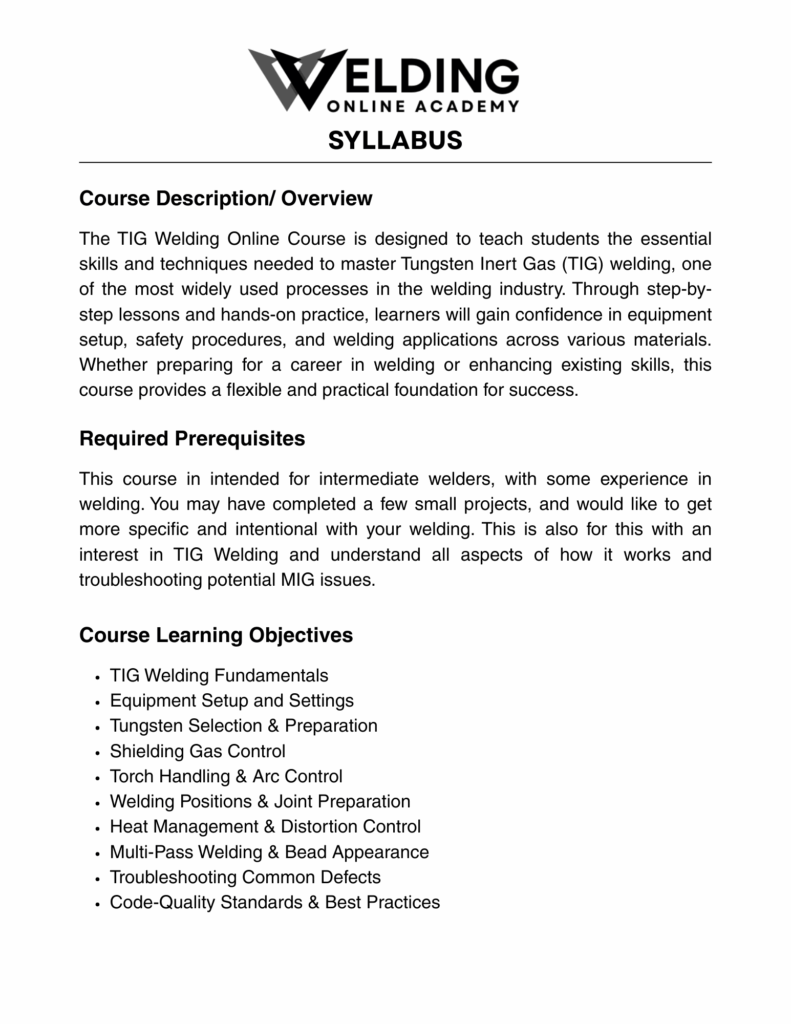
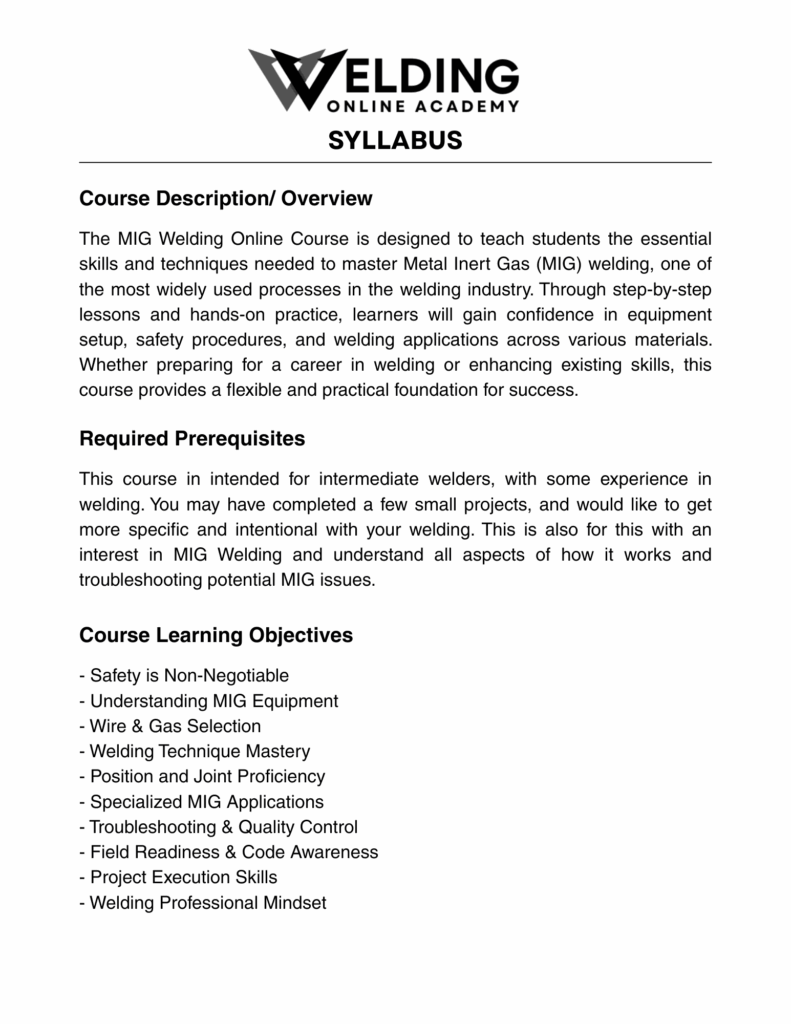
High-rise or structural welding refers to welding work on large building frameworks, bridges, towers, and other tall or complex structures. Welders in this domain often work at significant heights — on scaffolding, steel frameworks, beams of skyscrapers, steel bridges, offshore platforms in certain cases, or industrial towers. The job generally involves structural steel welding, often with methods like arc welding, MIG or TIG, depending on the material and requirements. These welders must be comfortable working at height, often on steel girders, with safety harnesses, and with strict attention to safety and structural integrity.
This work can also encompass retrofitting or repairing existing structures — for instance, reinforcing beams in an older building, welding plates on bridges, or installing/supporting steel skeletons for new construction.
Typical Pay
Because “structural welder” is a sub-specialty within the broader welder category, exact pay varies. According to one sources listing of “highest-paying welding jobs,” structural welders tend to earn more than average.
Given that the overall median for welders is ~$51,000, and structural welding tends to be above average, many structural/high-rise welders likely earn in the range of $50,000–$70,000+ per year, depending on experience, location, and employer.
That said — data on a strictly “high-rise” welder wage is sparse in national datasets. The variation is significant, and salaries often depend heavily on local demand (urban development, construction booms), union status, overtime or hazardous-work pay, and experience.
Where the Jobs Are Most Common
High-rise or structural welding jobs are most common in areas with heavy urban construction, infrastructure projects, or large industrial structures being built. Examples:
- Large metropolitan areas building skyscrapers (e.g., New York City, Chicago, Houston, Los Angeles).
- Regions with ongoing bridge construction or repair.
- Industrial zones building factories, warehouses, or large plants.
- Oil and gas sectors building support structures — sometimes offshore or on platforms — although offshore welding tends to share features with more specialized “rig welding.”
If you live in or near a growing urban region (like Texas, Florida, California, etc.), structural welding may have consistent demand thanks to ongoing construction.
Demand / Shortage Outlook
According to U.S. Bureau of Labor Statistics data, employment growth for welders, cutters, solderers, and brazers overall is projected to be 2% from 2024–2034 — slower than average. Bureau of Labor Statistics That said, demand for structural welding specifically may remain steadier in regions with growth, infrastructure investment, or construction booms.
Additionally, because many welders across the country are aging and nearing retirement, there is a recurring need to replace outgoing skilled welders — which can support demand for younger welders willing to specialize.
So while not every region will have a “shortage,” there is likely consistent demand — especially in growing cities and areas with active construction.
Factory-Based / Manufacturing Welding
What It Is
Factory-based welding usually takes place indoors, within manufacturing plants, fabrication shops, or production lines. In these settings, welders fabricate components, assemble metal parts, build machinery frames, produce metal containers, weld parts for vehicles, heavy equipment, agricultural machinery, or metal furniture, and more.
Because the work is indoors, often controlled, and sometimes assembly-line style, factory welders may work steady shifts (day or night), with less exposure to weather or the hazards of heights or deep water. Welding methods vary — MIG, TIG, stick welding, and others — depending on the metal, thickness, and requirements.
These types of welders often work on repetitive tasks, producing many identical parts or structures, and sometimes operate in teams or shifts to maintain production.
Typical Pay
Factory-based welders are part of the general welder population. The broad median wage for welders as of May 2024 is $51,000 per year.
Other sources place the national “average” for general welders at about $45,689 per year.
Given that factory welding tends to be more stable but perhaps less specialized than high-rise or underwater welding, a reasonable expectation for factory welders is $40,000–$55,000 per year, possibly more depending on skill, company, shift differentials, overtime, and region.
Where the Jobs Are Most Common
Factory-based welding is common across the United States — especially in regions with manufacturing hubs:
- The “Rust Belt” states (auto manufacturing, heavy equipment, industrial fabrication).
- States with large manufacturing or industrial plants: e.g., Texas, Ohio, Michigan, Indiana, Wisconsin, etc.
- Suburban/rural areas near manufacturing plants.
- Also in urban centers with metal fabrication shops, custom fabrication, maintenance shops, or small-scale manufacturing.
Since you are located in Pflugerville, Texas (near Austin), factory-based welding jobs could exist in manufacturing plants around the greater Austin area, or nearby industrial hubs in Texas.
Demand / Shortage Outlook
While overall welding employment growth is slow (2% projected growth through 2034), there continues to be a steady turnover — driven by retirements and workers leaving the field. This implies that factory welding jobs will continue to open regularly, especially in manufacturing-intensive states or areas.
That said, automation and changes in manufacturing techniques could limit demand growth — meaning competition may increase over time in some regions. The slow growth projection suggests that while replacement demand will exist, rapid expansion is unlikely unless industries grow.
Underwater Welding
Perhaps the most “extreme” and specialized of the three is underwater welding. This combines welding and commercial diving — often in challenging, risky, and highly technical environments.
What It Is
Underwater welders are trained both as welders and as commercial divers. Their work can include:
- Building or repairing underwater pipelines, oil rigs, and offshore platform structures.
- Fixing ships, hulls, or underwater structures (ports, bridges, dams).
- Subsea construction, maintenance, or salvage.
- Underwater repairs on infrastructure (bridges, dams, underwater tanks), docks, or maritime structures.
They must be skilled in welding (wet welding, dry welding, specialized underwater welding techniques) and also in diving — often requiring commercial-diver certification, knowledge of diving safety protocols, decompression procedures, and sometimes working at depths or under hazardous conditions (strong currents, low visibility, marine hazards). American Welding Society
Because of this dual skill set — welding and diving — this is among the most specialized (and dangerous) welding careers.
Typical Pay
The pay for underwater welders varies significantly, depending on experience, certification level, job type (offshore vs inland), depth, dive conditions, and employer. Various sources show wide ranges:
- One source estimates average U.S. salary around $66,380/year, with experienced welders potentially earning well over $100,000.
- Another (PayScale, 2025) lists ≈ $100,131/year as a “base salary” average, though with wide variation.
- Entry-level underwater welders may start around $40,000–$60,000/year. American Welding Society+2Capitol Iron Works+2
- Experienced or offshore underwater welders — particularly those working on oil rigs, deep-water platforms, or hazardous conditions — may considerably exceed $100,000 annually. Some estimates (especially for offshore work) suggest pay could reach six-figures, possibly $150,000+ for highly specialized or high-risk jobs. American Welding Society+2Welders Supply+2
Bottom line: underwater welding tends to pay well above the median for standard welders — reflecting the high skill, risk, and specialized training required.
Where the Jobs Are Most Common
Because underwater welding often supports maritime, offshore oil & gas, pipeline, and under-sea infrastructure work, the most common regions include:
- Coastal states — especially those with offshore oil & gas activity (e.g., Gulf Coast: Louisiana, Texas, Florida, Gulf of Mexico region).
- Port cities and coastal areas where ships, docks, and maritime structures require maintenance, repair, or construction.
- Areas with significant marine infrastructure: harbors, bridges, dams, pipelines — even rivers and inland waterways.
- Regions with offshore wind or energy infrastructure (turbines, rigs) — increasingly relevant as energy companies expand offshore operations.
Specifically, coastal states such as Florida, Louisiana, Texas (Gulf Coast) tend to have more demand due to offshore oil & gas operations, underwater pipelines, ports, and maritime work. Bureau of Labor Statistics+2American Welding Society+2
Demand / Shortage Outlook
Underwater welding remains a highly specialized skill. Because fewer people combine both commercial diving and welding skills — and because of the danger, training, and certification required — there tends to be a shortage of qualified underwater welders, especially for offshore work. Many sources note that experienced underwater welders are in demand. American Welding Society+2Welders Supply+2
According to industry sources, experienced underwater welders — especially those willing to work in offshore, deep-water, or hazardous conditions — are often in demand, and pay reflects that demand. American Welding Society+2Tallo+2
In addition, as older workers retire, and as offshore oil, gas, and maritime infrastructure ages or expands, demand for underwater welding may continue — particularly in coastal or offshore-heavy states.
Comparing the Three: Pros, Cons, and When Each Makes Sense
Here’s a quick comparison of high-rise, factory-based, and underwater welding — including what to consider if you’re choosing a welding career path.
| Welding Type | Pros | Cons / Challenges | Best Fit / When It Makes Sense |
|---|---|---|---|
| High-Rise / Structural | Often steady work when urban development or infrastructure projects are active; higher pay than basic welding; work sharply visible (buildings, bridges). | Working at height; risk of falls or injuries; often outdoors, exposed to weather; sometimes physically demanding and dangerous. | If you’re comfortable with height, physically fit, willing to travel to major construction projects, and want stable or well-paying structural work. |
| Factory-Based Welding | Generally safer than high-rise or underwater; indoor, controlled environment; steady shifts; less extreme risk; good for steady, reliable income. | Pay is typically lower than specialized welding; growth may be slower; potential competition; may require repetitive work; automation can reduce demand. | If you want a stable welding job, prefer indoor work, regular hours, and less extreme conditions. |
| Underwater Welding | Highest pay potential; very specialized and often in demand; opportunity to work on unique projects (offshore oil, marine infrastructure, salvage, pipelines); high risk = high compensation. | Requires both welding and commercial-diving certification; physically demanding; hazardous — deep water, pressure, underwater visibility, potential for injury; often remote or offshore; lifestyle may be challenging (travel, long hours). | If you are adventurous, comfortable with diving and risk, willing to do specialized training, and want high pay and unique, high-skill welding work. |
A Note on Salary Ranges and Variation
One challenge in writing about welding jobs is that “salary” varies wildly depending on location, specialization, experience, employer, shift differentials, certifications, and market demand.
- A “basic” welder in a small factory in a low-cost area might only make around the median (~$51,000). Bureau of Labor Statistics+1
- A structural welder working on a high-rise in a large metro with union backing and overtime might earn significantly more.
- An entry-level underwater welder just starting out might make $40,000–$60,000, but once certified and experienced — especially offshore — some report six-figure incomes. Jobted+3American Welding Society+3Payscale+3
Therefore, the pay numbers given above should be seen as broad guidance rather than precise predictions.
Is There a Shortage of Welders Right Now — Especially in Specialized Fields?
- For general welding (the broader welder population), growth is modest: about 2% over the next decade. Bureau of Labor Statistics
- However, due to turnover, retirements, and the specialized training required for sub-fields such as underwater welding, many employers report shortages of skilled, specialized welders. American Welding Society+2Welders Supply+2
- Highly-skilled underwater welders — especially those willing to work offshore, deep-water, or under challenging conditions — tend to be particularly in demand, because the pool of people qualified (both diving and welding) is relatively small. American Welding Society+2Wikipedia+2
- Structural welding demand is more location-dependent: in fast-growing urban areas or regions with infrastructure development, demand remains solid; in areas without growth, demand may be weaker.
In short: while general welding might not be “booming,” specialized welding — especially underwater welding — remains a field with significant demand and a relative shortage of qualified people.
What This Means for Someone Considering a Welding Career
If you’re thinking about a welding career, here’s how to approach your decision — based on lifestyle, risk tolerance, and what you want out of the job:
- If you prefer steady, predictable work with minimal extreme risk, factory-based welding may be the most comfortable and stable path.
- If you like construction, working with heavy structures, and don’t mind heights or being outdoors, structural / high-rise welding can offer good pay, variety, and visible results (buildings, bridges, etc.).
- If you’re adventurous, enjoy diving, are willing to get specialized training, and want top pay and unique work environments, then underwater welding could be a rewarding — though demanding — career path.
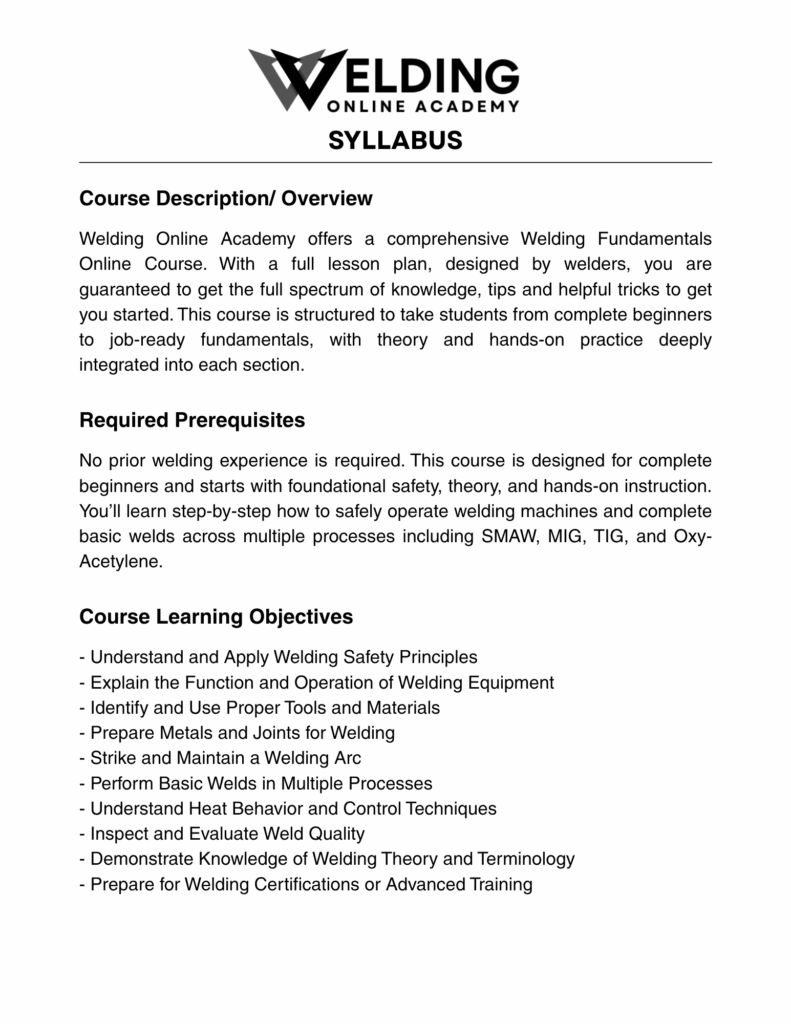
One big consideration: specialized welding jobs often require certifications, training, and sometimes physical fitness beyond “regular” welding. For underwater welding, for example, many commercial-diver training programs (sometimes 5–7 months) are required before you even start. American Welding Society+2Welders Supply+2
Conclusion
Welding as a trade remains a backbone of many industries: construction, manufacturing, maritime infrastructure, and more. But not all welding jobs are the same. High-rise (structural) welding, factory-based welding, and underwater welding each offer very different working conditions, risks, and income potential.
- Factory welding offers stability and consistency but moderate pay.
- Structural / high-rise welding offers better pay and possibly more variety, but also involves significant physical demands and working at height.
- Underwater welding offers among the highest pay and some of the most unique, high-skill, in-demand roles — but also the greatest risk and the need for specialized training.
For anyone considering a welding career, it’s worth thinking about what kind of working environment you want, how comfortable you are with risk (heights, diving, environment), and how much training you’re willing to pursue. If you’re seeking a good income and are ready for specialized or challenging work — especially in underwater welding — there is still strong demand for skilled welders.